Caramelized Onion and Thyme Focaccia
Highlighted under: Classic Bakery Favorites
Caramelized Onion and Thyme Focaccia
Caramelized Onion and Thyme Focaccia
Caramelized Onion and Thyme Focaccia
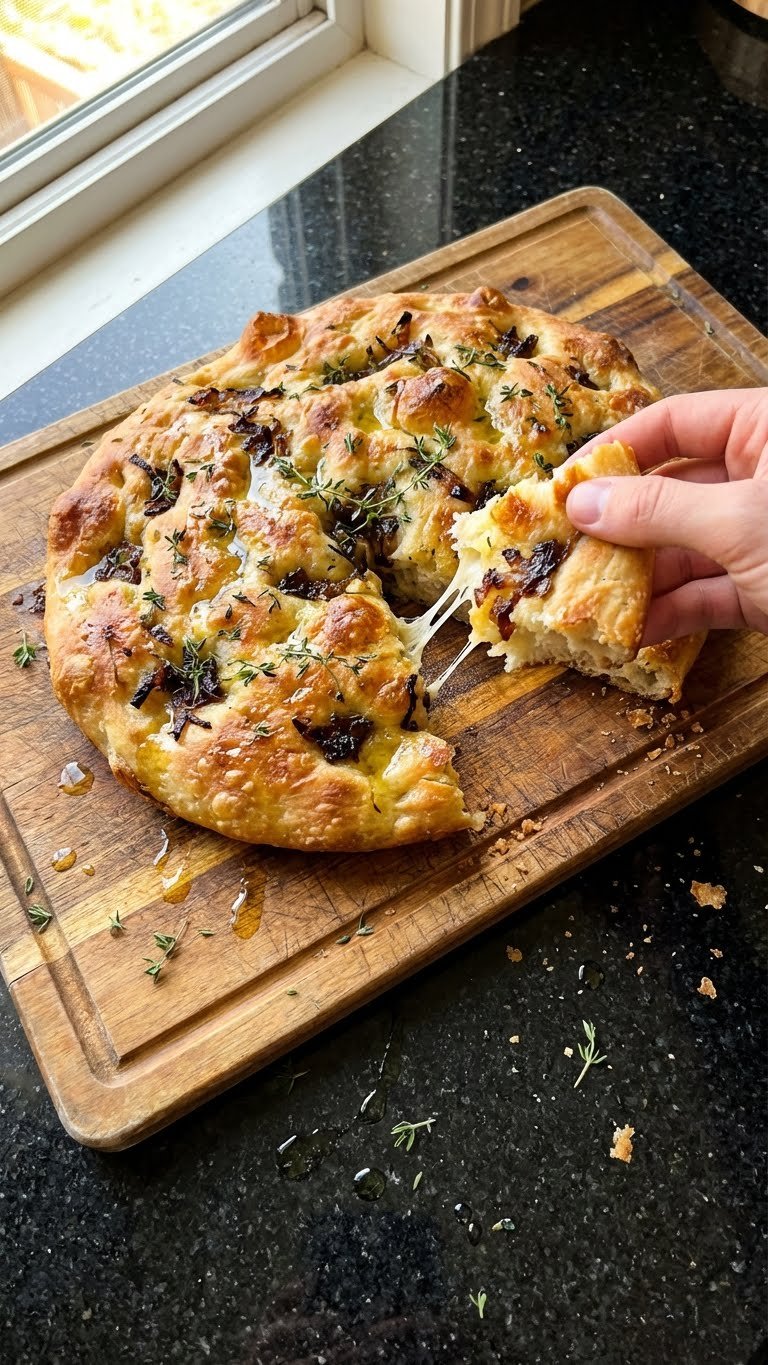
The Importance of Caramelized Onions
Caramelized onions are the heart of this focaccia, contributing a deep, rich sweetness that balances beautifully with the bread's savory flavor. To achieve perfectly caramelized onions, cook them slowly over low heat, about 30 to 45 minutes, stirring occasionally. You'll know they're done when they are golden brown and have a jam-like consistency. This slow cooking not only intensifies their natural sugars but also brings out their umami flavor, making it a standout component in your focaccia.
For a twist on traditional caramelized onions, try adding a splash of balsamic vinegar or a pinch of sugar during the last few minutes of cooking. This elevates the caramelization process and adds complexity. If you're short on time, you can sauté the onions on medium heat, but be cautious—this method can lead to uneven cooking and bitterness. Aim for low and slow for the best results!
Mastering the Dough
The dough for focaccia should be soft and slightly sticky, which helps create that characteristic airy texture. I recommend mixing it just until combined and letting it rest for at least 10 minutes before kneading. This autolyse process allows the gluten to develop naturally, making it easier to handle. If you find the dough too sticky, instead of adding more flour, try lightly oiling your hands to prevent it from sticking.
Once your dough has risen, use your fingers to gently dimple the surface before baking. This technique not only creates those irresistible nooks perfect for holding toppings like olive oil and herbs but also helps the dough retain its airy structure. Aim for dimpling about ¼ inch deep to prevent deflating the dough too much while still allowing for a perfect rise.
Serving and Storing Your Focaccia
Once baked, let your focaccia cool in the pan for a few minutes before transferring it to a wire rack. This prevents steam from creating a soggy bottom. Serve your focaccia warm, drizzled with olive oil and a sprinkle of flaky sea salt for an added touch of flavor. It pairs wonderfully with tapas, salads, or as a base for a gourmet sandwich, showcasing its versatility beyond just a side dish.
If you have leftovers, store them in an airtight container at room temperature for up to two days. To revive the focaccia, simply warm it in the oven at 350°F (175°C) for about 10 minutes. Alternatively, you can freeze sliced focaccia, wrapping each in plastic wrap and then in aluminum foil to prevent freezer burn. It can be thawed at room temperature and reheated for a taste almost as fresh as the first day.
Variations on Focaccia
While caramelized onion and thyme is a delicious combination, don't hesitate to experiment with other toppings. Roasted garlic, olives, or sun-dried tomatoes can add unique flavors. For an herbaceous twist, consider using rosemary, oregano, or even fresh basil. Just remember to adjust the quantities according to your taste preference; fresh herbs are more potent than dried ones and should be used sparingly.
If you're feeling adventurous, try incorporating cheese into your focaccia. Topping the dough with crumbled feta or shredded mozzarella just before baking creates a delightful cheesy crust. Alternatively, you could fold in grated cheese during the kneading phase for a cheesy interior. Just be mindful of the extra moisture that cheese can introduce and adjust your flour accordingly.
Troubleshooting Common Issues
If your focaccia doesn't rise as much as expected, check the freshness of your yeast. Yeast that has expired or is improperly stored won't perform well. To avoid this, always activate your yeast in warm water (about 110°F or 43°C) with a pinch of sugar and wait for it to become frothy before mixing it into your dough.
Another common issue is a dense texture. This may occur if the dough has been overworked or if it’s been left to rise for too long. To remedy overworked dough, try letting it rest a little longer before shaping it into focaccia. However, once a dough is over-proofed, it can be hard to revive, so keep a close eye on your rise times!
Ingredient Substitutions
If you're looking to make this focaccia gluten-free, consider using a high-quality gluten-free all-purpose flour blend. Just remember that the texture might differ slightly, so you may need to adjust the liquid content. Additionally, adding a tablespoon of xanthan gum can help mimic the stretchy texture of wheat flour.
For a dairy-free version, replace traditional butter with olive oil in the dough and topping. This not only accommodates those with lactose intolerance but also adds extra flavor. A touch of nutritional yeast can also impart a cheesy flavor without any dairy, especially if you’re topping your focaccia with additional herbs.